

 Back to Blogs
How Long Do Exterior Doors Last in Fresno’s Climate?
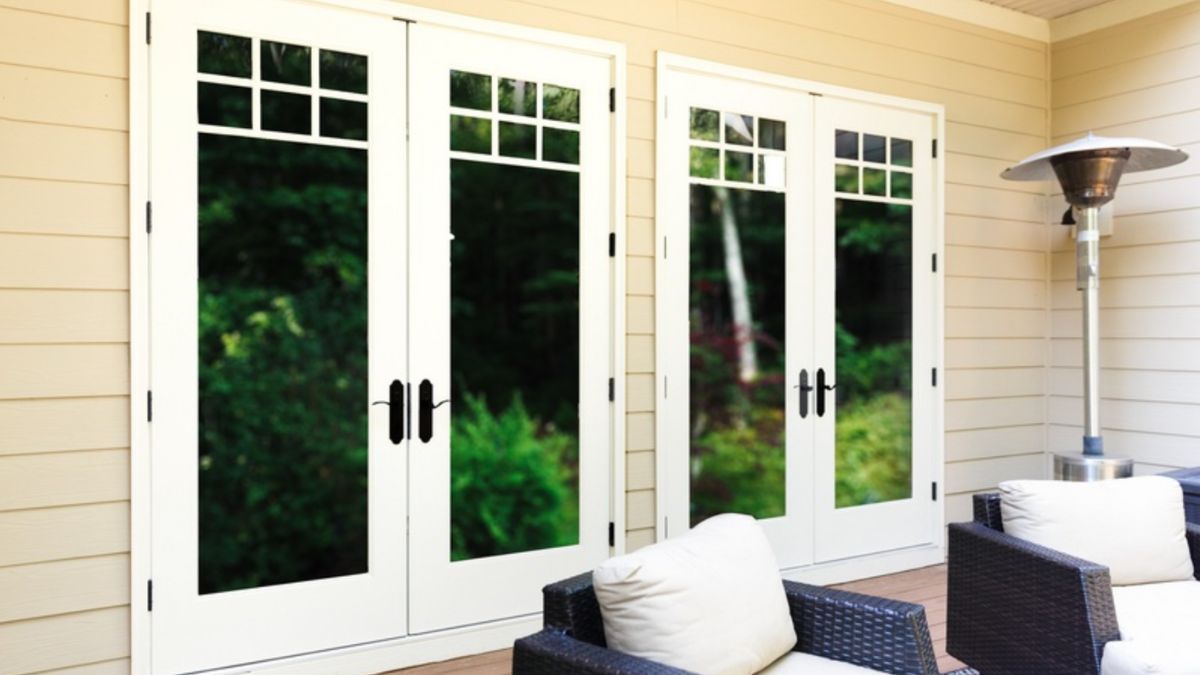
Most exterior doors in Fresno last somewhere between 20 and 30 years, and some go well past that. Three things decide where yours lands: what the door is made of, which direction it faces, and how well the seals around it hold up.
Fresno is hard on doors. July afternoons average around 100°F, rain is rare from late spring to early fall, and the temperature can swing about 30 degrees between a hot afternoon and a cooler night. A door feels that stress every day. In this post, we cover the exterior door lifespan by material, explain what the Valley climate does to a door, and show the warning signs that a door is running out of road.
What Is the Average Lifespan of Different Exterior Door Materials?
Fiberglass entry doors commonly last 30 years or more when the frame, seals, and sill stay in good shape, which is why they hold their color and shape through long Fresno summers. Older wood and steel doors usually show wear sooner here, often within 20 to 30 years, because sun and dry heat cause warping, fading, cracking, and dents. Patio doors follow a similar pattern: the glass and frame can last for decades, while sliding tracks, locks, and the soft sealing strip around the edges wear out first. These are typical ranges, not promises, and a door on a shaded side of the house can outlast an identical one on a wall that takes full afternoon sun.
How Does Fresno’s Climate Affect Exterior Door Lifespan?
Fresno has a semi-arid, Mediterranean-style climate. Summers are hot and dry, winters are mild and wetter, and annual rainfall runs roughly 11 to 12 inches. Each season stresses a door in its own way.
Heat and Direct Sun
Local weather records show July highs near 100°F, and recent July days have run a few degrees warmer than they did 20 to 30 years ago. A west-facing door can get too hot to touch by late afternoon. That heat fades finishes, dries out materials, and softens the sealant around glass and trim. Darker colors absorb more of it.
Big Daily Temperature Swings
Materials grow slightly when hot and shrink when cool. This is called thermal expansion, and after thousands of daily cycles, it can open tiny gaps at corners, around glass, and along the frame. Those gaps are where drafts and hot air sneak in.
Dry Air and Dust
With little rain to wash things off, dust and grit work into hinges, locks, and tracks. Parts that grind instead of glide wear out years early.
Winter Rain at the Bottom of the Door
Most of Fresno’s rain falls in winter, and the door threshold, the bottom sill you step over, takes the brunt. A cracked or sunken threshold lets water in, which can swell the frame and stain the floor inside.
Signs Your Exterior Door Is Nearing the End
An aging door usually tells you before it fails. Watch for these:
- Daylight showing around the edges when you stand inside
- A door that sticks, scrapes, or needs a shoulder to close
- Warping, cracking, peeling, or heavy fading on the surface
- Hot spots near the entry and cooling bills that creep up
- Loose hinges, or a lock that no longer lines up with the strike plate
- Water stains or soft spots near the threshold
Rising cooling costs matter more than most people think. Look for energy-efficient doors with an ENERGY STAR qualification, which means the product meets efficiency guidelines set by a U.S. government program.
Simple Habits That Add Years to Your Door
Good care can stretch exterior door lifespan by a surprising margin. A few small habits go a long way:
- Wipe the door with mild soap and water a few times a year to clear dust and grime.
- Press on the weatherstripping, the strip that seals the gap around the door, each spring and fall. If it stays flat or cracked, it is no longer sealing.
- Lightly lubricate hinges and locks once a year with a product made for locks.
- Point sprinklers away from the base of the door so water does not pool at the threshold.
- Let a porch roof or a well-placed tree shade the door from late sun.
- Check the manufacturer’s guidance before changing the finish or hardware, so the warranty stays intact.
Bottom Line
Most Fresno exterior doors last 20 to 30 years, and quality fiberglass entry doors can reach 30 or more with basic care. Heat, direct sun, and daily temperature swings are the biggest forces working against any door in this climate. Drafts, sticking, warping, and higher cooling bills are the clearest signs that it is time to plan a replacement, and professional installation keeps the new door sealed and performing as designed. A well-chosen door also lifts curb appeal and gives you steadier comfort at the front of your home.
To find the right fit for your home, browse our entry doors or request a Free Quote from Window World of Fresno.
Frequently Asked Questions
-
Typically 20 to 30 years, and fiberglass doors often reach 30 or more. A west-facing door may age faster than one in the shade.
-
Yes, over time. Strong sun and dry heat can fade finishes, dry out materials, and warp older doors.
-
Drafts, sticking, warping, fading, and rising cooling bills are the most common signals.
-
West-facing doors, because they take direct afternoon sun during the hottest hours.
-
Yes. Regular cleaning, a quick weatherstripping check, lubricated hinges, and keeping water away from the threshold all help.
-
Often a similar number of years, though moving parts like tracks and locks tend to wear first.